

Why Preventive Turbocharger Maintenance Saves More Than Emergency Repairs
Keep Your Vessel Performing at Its Best
The turbocharger is one of the most critical components of a marine diesel engine. By supplying compressed air to the engine, it ensures efficient combustion, optimal power output, and improved fuel efficiency.
However, turbochargers operate under extreme temperatures and high rotational speeds. Without regular maintenance, even minor issues can develop into costly failures, leading to unexpected downtime, increased fuel consumption, and expensive repairs.
Preventive maintenance helps identify potential problems early, allowing corrective actions to be taken before they affect the vessel’s operation.
1. Carbon Deposits Reduce Performance
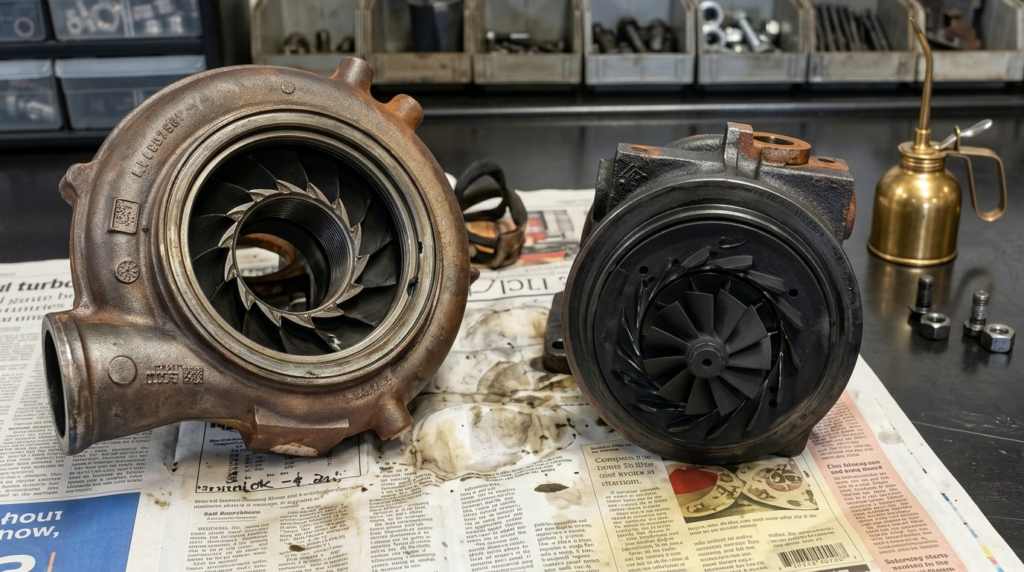
Over time, combustion by products accumulate on the turbine nozzle ring, turbine blades, and other internal components. These carbon deposits restrict exhaust gas flow and reduce turbocharger efficiency.
Common effects include:
- Reduced engine power
- Increased exhaust gas temperature
- Higher fuel consumption
- Slower engine response under load
Routine inspection and professional cleaning help restore airflow and maintain efficient engine performance.
2. Rotor Imbalance Can Lead to Serious Damage
A turbocharger rotor spins at extremely high speeds, often exceeding 20,000 RPM, depending on the engine type and operating conditions. At these speeds, even a small imbalance can create excessive vibration, placing additional stress on the shaft, bearings, and other rotating components.
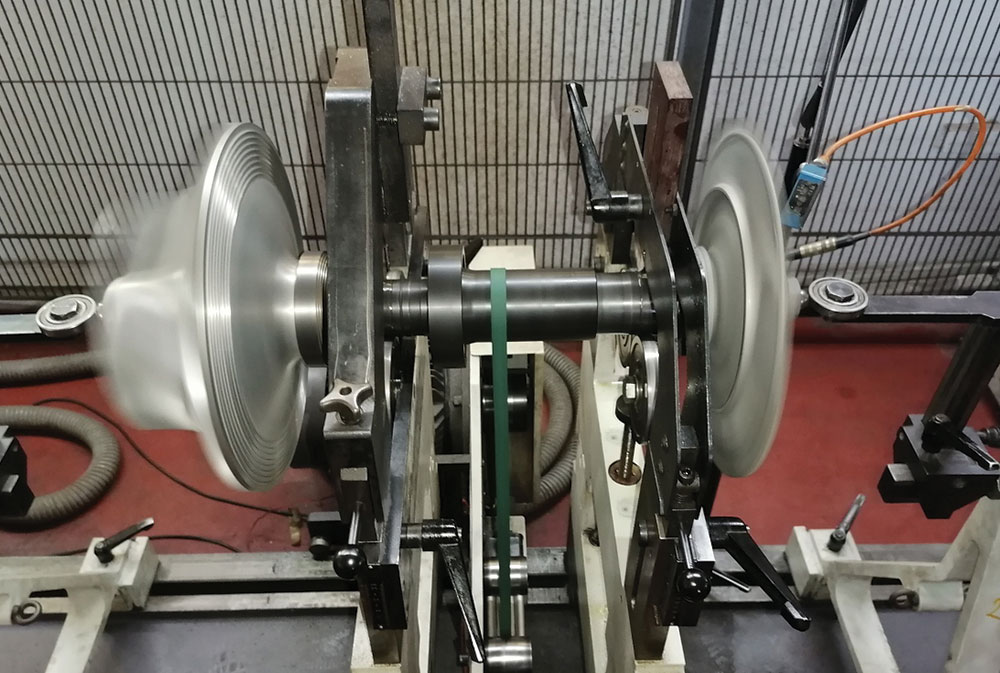
Rotor imbalance can develop over time due to carbon deposits, erosion, corrosion, foreign object damage (FOD), or normal wear. These issues usually don’t happen overnight. Instead, they build up gradually, making them difficult to notice until the vibration becomes more severe or the turbocharger starts showing signs of reduced performance.
If not addressed early, rotor imbalance can lead to:
- Premature bearing wear
- Shaft damage
- Excessive vibration
- Reduced turbocharger efficiency
- Unexpected engine downtime
- Complete turbocharger failure
This is why preventive maintenance is essential. Waiting until a mechanical failure occurs often results in more extensive repairs, higher costs, and unplanned downtime that can affect the vessel’s schedule.
3. Bearing Wear Should Never Be Ignored
Bearings play a critical role in supporting the turbocharger shaft and allowing it to rotate smoothly at very high speeds. During normal operation, they are constantly exposed to high temperatures, heavy loads, and continuous rotation. Over time, factors such as inadequate lubrication, oil contamination, or normal wear can increase the clearance between the shaft and bearings, affecting the turbocharger’s overall performance.
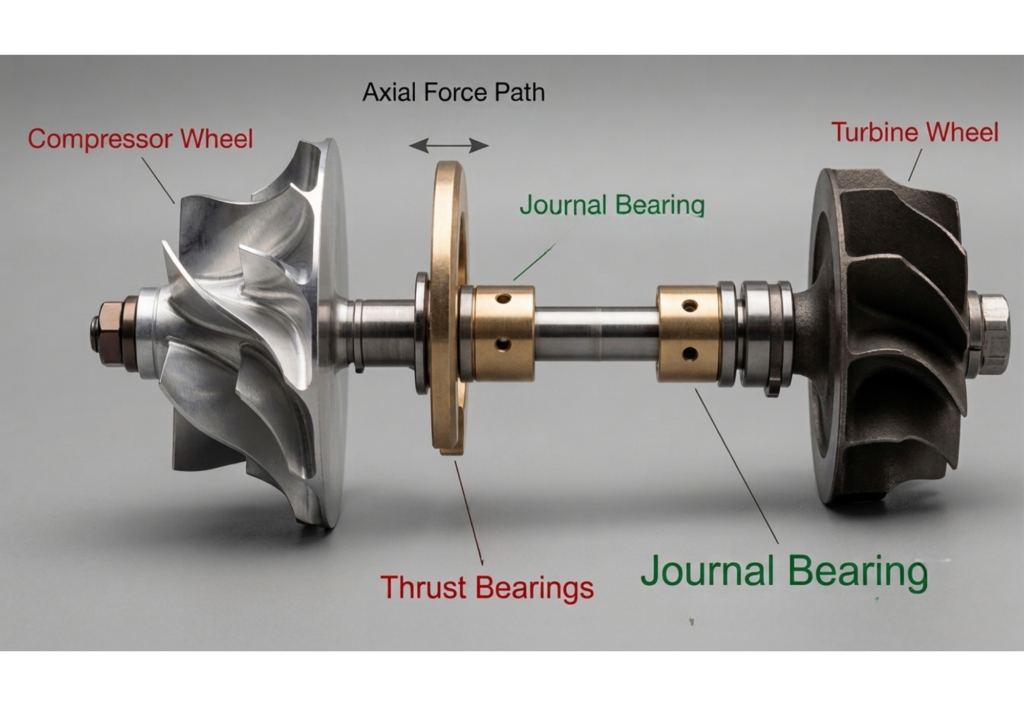
In many cases, bearing wear develops gradually and may not show obvious signs in the early stages. However, if left unaddressed, the condition can worsen and lead to more serious mechanical problems, resulting in costly repairs and unexpected downtime
Common signs of bearing wear include:
- Unusual noise from the turbocharger
- Oil leakage
- Increased vibration
- Reduced turbocharger efficiency
- Loss of engine performance
Taking a proactive approach to bearing maintenance gives operators greater control over repair planning. Instead of responding to a sudden failure, maintenance can be scheduled at a convenient time, helping to maintain operational reliability and minimise disruption to the vessel’s voyage.
4. Compressor Washing Maintains Airflow Efficiency
The compressor wheel plays a vital role in supplying clean, compressed air to the engine for efficient combustion. Over time, airborne dust, oil mist, salt particles, and other contaminants can build up on the compressor blades, restricting airflow and reducing the turbocharger’s overall efficiency.
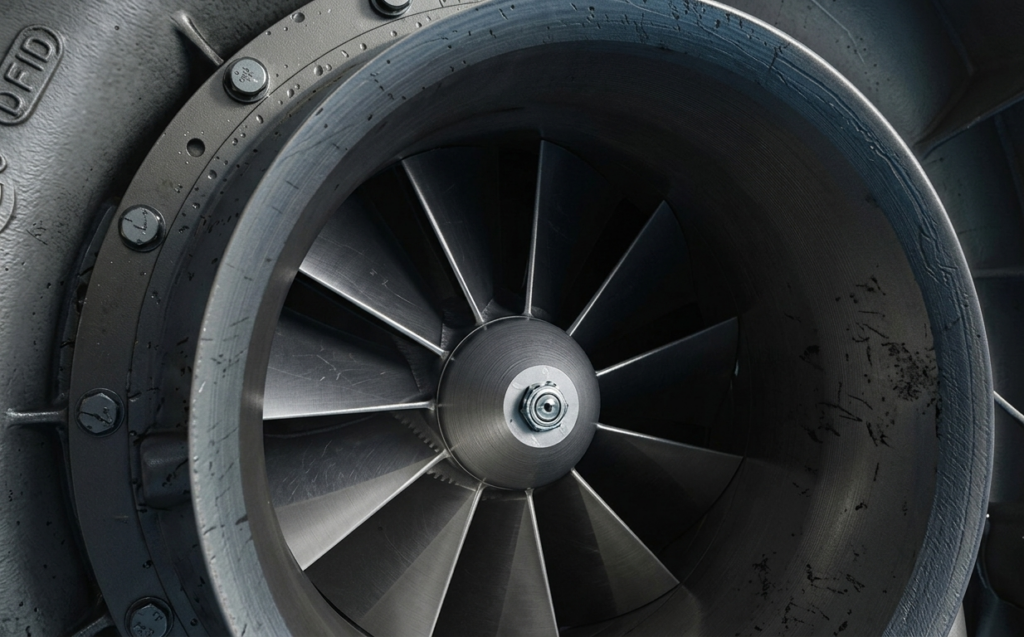
As the deposits accumulate, the turbocharger has to work harder to deliver the required air pressure. This can affect engine performance and, in some cases, contribute to higher fuel consumption and increased exhaust gas temperatures.
Regular compressor washing helps to:
- Remove dirt and deposits from the compressor wheel
- Restore airflow and compressor efficiency
- Improve combustion performance
- Reduce fuel consumption
- Lower exhaust gas temperatures
- Extend the service life of turbocharger components
When performed in accordance with the engine manufacturer’s recommendations, compressor washing is a straightforward maintenance task that helps the turbocharger operate closer to its intended performance. Combined with routine inspections, it supports stable engine operation and helps maintain efficiency throughout the vessel’s service life.
5. Dynamic Balancing Improves Reliability
Whenever rotating components such as the compressor wheel, turbine wheel, or rotor shaft are cleaned, repaired, or replaced, the balance of the rotating assembly can change. Even a slight imbalance can create excessive vibration when the turbocharger operates at high speed, increasing stress on critical components and affecting overall performance.
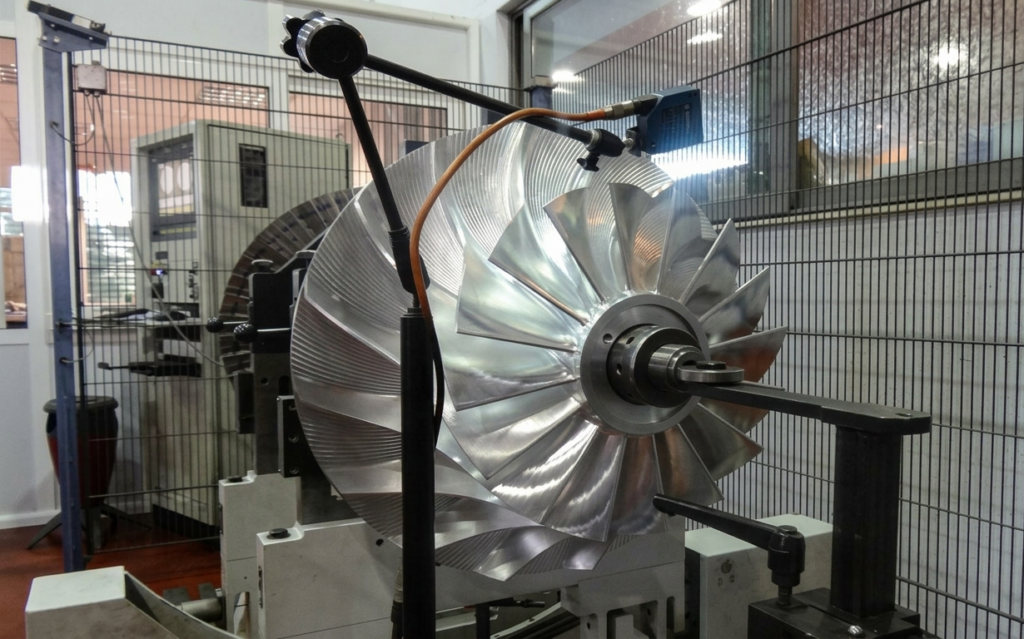
Dynamic balancing is a precision process that restores the rotor assembly to its correct balance, allowing it to rotate smoothly within the manufacturer’s specified vibration limits. This helps ensure that the turbocharger operates safely and efficiently under normal working conditions.
The benefits of proper dynamic balancing include:
- Reduced vibration during operation
- Lower mechanical stress on rotating components
- Improved bearing protection
- More stable turbocharger performance
- Increased reliability after overhaul or repair
For this reason, dynamic balancing should always be carried out after major overhauls or whenever rotating components have been repaired or replaced. Completing this final step helps ensure the turbocharger is ready to return to service with confidence and perform as intended.
The Value of Preventive Maintenance
Turbocharger issues rarely happen overnight. In most cases, they develop gradually due to normal wear, contamination, or operating conditions. Identifying these issues early through preventive maintenance allows repairs to be planned before they develop into major mechanical failures.
Routine inspections, cleaning, and condition monitoring not only help maintain turbocharger performance but also reduce the risk of unexpected downtime and costly emergency repairs. A proactive maintenance approach helps keep your vessel operating safely, efficiently, and ready for every voyage.
Supporting Your Vessel Throughout Malaysia
At Wheel & Loads Engineering we provide professional turbocharger inspection, maintenance, troubleshooting, and repair services for vessels calling at ports and anchorages throughout Malaysia. Whether it’s planned maintenance or technical support during a port call, our experienced team is ready to deliver reliable and responsive marine engineering solutions.
- Inside Petlog Yard, Gelang Patah, Johor.
- 24/7/365 Emergency Support.