

5 Things to Check When Main Engine Exhaust Temperature Is High
A high exhaust gas temperature is something no Chief Engineer wants to ignore.
Sometimes, the cause is simple. A dirty air filter or a fouled cooler. Other times, it can point to a more serious issue with fuel injection, the turbocharger, or the engine itself.
The important thing is not to look at the temperature reading alone. The trend, difference between cylinders, and operating condition can tell you a lot about what is happening inside the engine.
Here are five key areas worth checking when your main engine exhaust temperature starts running higher than normal.
1. Check the Fuel Injection System
Fuel injection is one of the first areas to investigate.
A faulty or poorly performing fuel injector can cause improper fuel atomization and combustion. This may result in incomplete or delayed combustion, leading to higher exhaust temperatures.
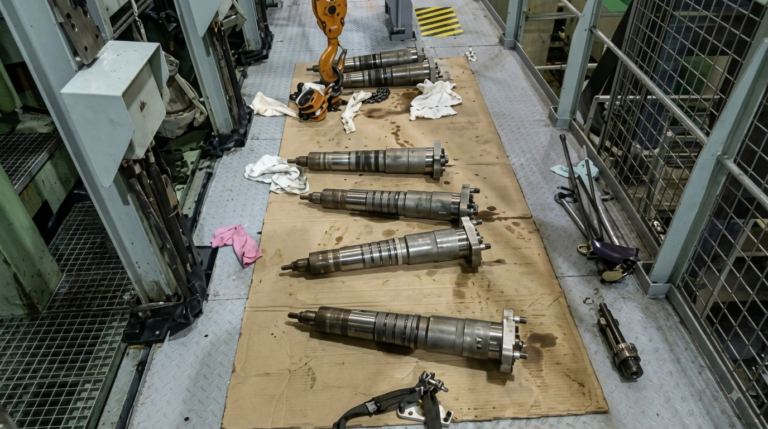
- Fuel injector condition
- Injector opening pressure
- Nozzle condition and spray pattern
- Fuel pump performance
- Fuel timing
- Signs of carbon deposits around the injector
A significant temperature difference between cylinders can also be an important indication that one cylinder is not burning fuel properly.
2. Check the Turbocharger and Air Supply
The engine needs sufficient air for efficient combustion.
When the turbocharger is not operating efficiently, the engine may receive less air than required. This can increase combustion temperature and exhaust gas temperature.
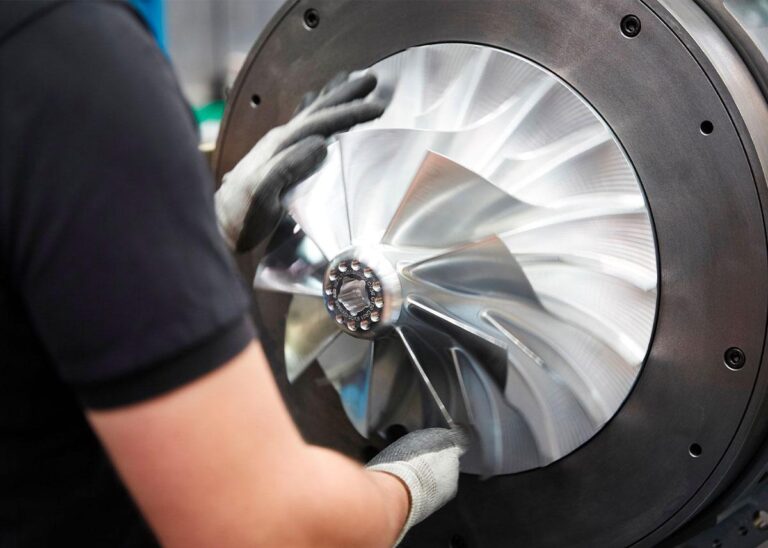
Look at:
- Turbocharger performance
- Compressor wheel condition
- Turbine condition
- Air filter and filter silencer
- Charge air pressure
- Turbocharger RPM
- Air and gas passages for fouling
A dirty compressor wheel or restricted air filter may seem like a small problem, but over time it can affect the engine’s overall performance and fuel efficiency.
3. Check the Charge Air Cooler
The charge air cooler plays an important role in maintaining the correct temperature and density of the air entering the engine.
If the cooler is fouled internally or externally, cooling efficiency can decrease. The result may be higher charge air temperature and reduced air density.
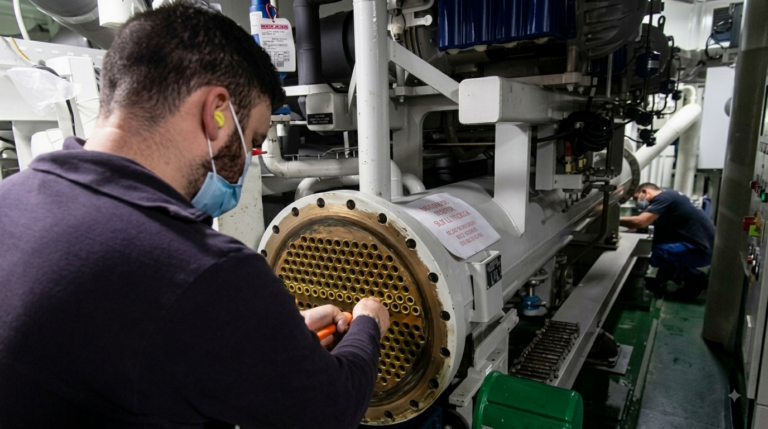
Check:
- Charge air inlet and outlet temperatures
- Cooling water flow
- Cooler pressure difference
- Air-side fouling
- Water-side fouling
- Condition of the cooler tubes
A useful comparison is to look at the temperature before and after the cooler. This can help determine whether the cooler is still providing the expected cooling performance.
4. Check the Exhaust Gas Side
Don’t overlook the exhaust side of the engine.
Carbon deposits or restrictions in the exhaust gas passages can affect gas flow and turbocharger performance. In some cases, excessive back pressure can contribute to higher exhaust temperatures.
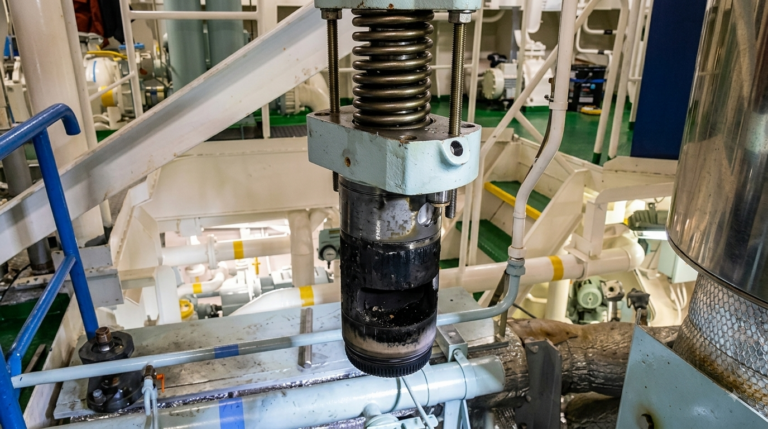
Inspect where applicable:
- Exhaust gas passages
- Exhaust valves
- Exhaust manifold
- Turbocharger turbine side
- Economizer / exhaust gas boiler
- Exhaust gas back pressure
Regular cleaning and inspection can help maintain proper gas flow and prevent performance deterioration.
5. Check the Engine's Operating Condition
Before assuming there is a mechanical fault, look at how the engine is actually operating.
Exhaust temperature can change depending on:
- Engine load
- Ambient temperature
- Sea water temperature
- Fuel quality
- Scavenge air pressure
- Cooling water temperature
- Engine tuning
- Cylinder condition
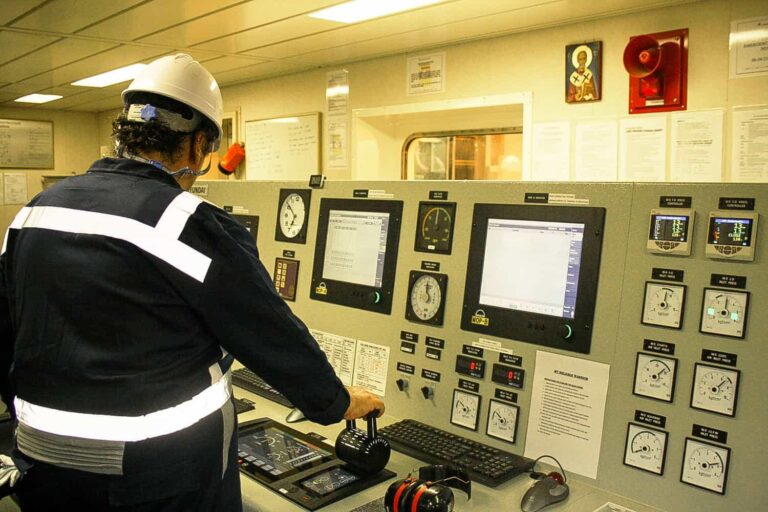
Most importantly, compare the current readings with the engine's normal operating data.
A temperature that is slightly higher than yesterday may not mean the same thing as a temperature that has been gradually increasing for several weeks.
Don't Look at One Reading — Look at the Trend
When troubleshooting high exhaust temperature, one reading rarely tells the whole story.
Compare the cylinder temperatures, scavenge air pressure, turbocharger performance, cooling temperatures and engine load together.
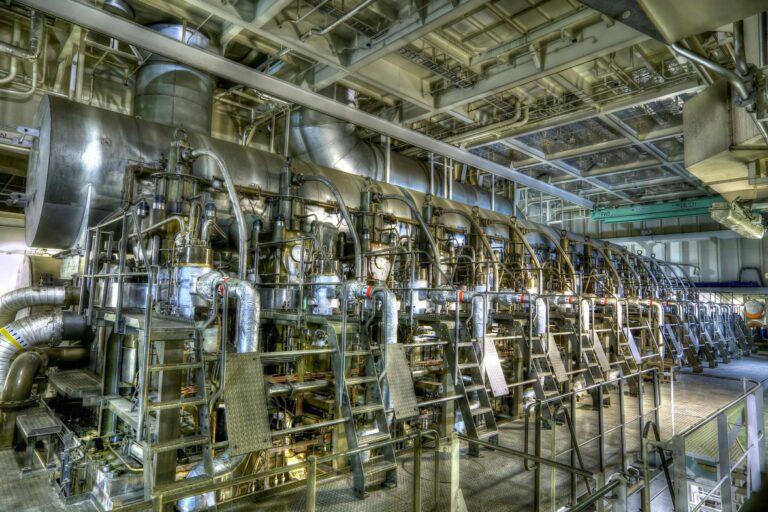
For example, if one cylinder is consistently running hotter than the others, the investigation may focus more heavily on that particular cylinder and its fuel injection or combustion condition.
If all cylinders are showing an increase, the investigation may need to move towards the air supply, turbocharger, charge air cooler, exhaust system or overall operating condition.
A Simple Troubleshooting Approach
When you notice high exhaust temperature:
Observe → Compare → Inspect → Identify → Correct
Don’t wait until a temperature alarm becomes an engine problem.
Early investigation can help prevent further damage, reduce unplanned downtime and keep the main engine operating efficiently.
Keep Your Main Engine Performing at Its Best
When your main engine shows abnormal exhaust temperatures or other performance changes, an early inspection can help identify the cause before it develops into a more serious problem.
At Wheel & Loads Engineering, we provide onboard inspection, troubleshooting and maintenance support for vessel machinery across Malaysia. Our team can assist with main engine inspection, machinery condition checks, turbocharger servicing, cleaning and repair works.
Have a maintenance concern or need an inspection onboard?
Feel free to contact us!
- Inside Petlog Yard, Gelang Patah, Johor.
- 24/7/365 Emergency Support.