

Environmental Sustainability in the Marine Industry: Protecting Our Oceans for the Future
The ocean plays an essential role in global trade, food production, climate regulation and marine biodiversity. Every day, thousands of vessels transport goods across the world’s oceans, connecting countries and supporting economies.
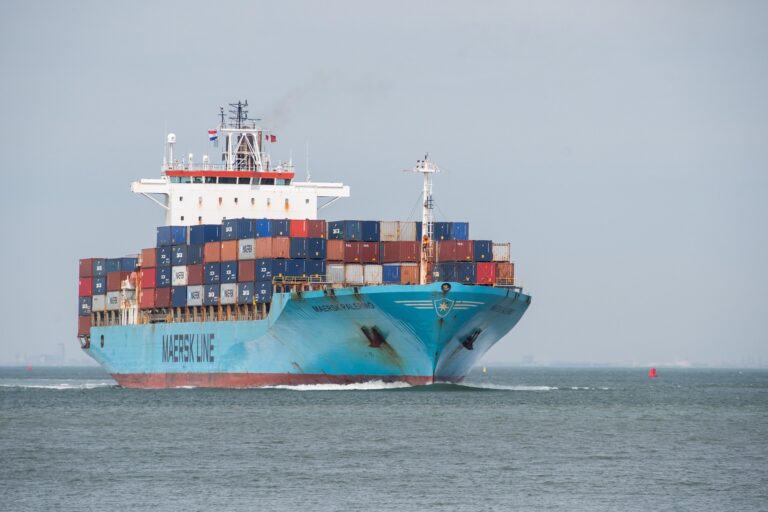
However, maritime activities also bring environmental challenges. Air emissions, oil pollution, improper waste disposal and damage to marine ecosystems can affect the health of our oceans.
Environmental sustainability in the marine industry is about reducing these impacts while ensuring that shipping and other maritime activities can continue responsibly for future generations.
It requires cooperation between shipowners, seafarers, ports, shipyards, regulators and everyone involved in maritime operations.
1. Reducing Greenhouse Gas Emissions and Fuel Consumption

International shipping depends heavily on fuel to power main engines, auxiliary engines and other onboard equipment. Burning conventional marine fuels releases carbon dioxide and other emissions that contribute to climate change and air pollution.
Reducing fuel consumption is therefore an important part of making shipping more environmentally sustainable.
Several measures can help reduce a vessel’s environmental footprint:
Improving engine efficiency: Proper engine maintenance and performance monitoring can help machinery operate efficiently.
Optimising voyage planning: Better route planning and appropriate operating speeds can reduce unnecessary fuel consumption.
Maintaining hull and propeller condition: Marine growth and surface roughness increase resistance, potentially requiring more propulsion power.
Adopting energy-efficient technologies: Depending on the vessel, options may include waste-heat recovery, wind-assisted propulsion and alternative fuels.
These improvements do not always require a complete change in vessel technology. Better maintenance and operational decisions can also contribute to more efficient shipping.
The International Maritime Organization (IMO) has established energy-efficiency and greenhouse gas reduction measures for international shipping.
2. Preventing Oil Spills and Harmful Discharges
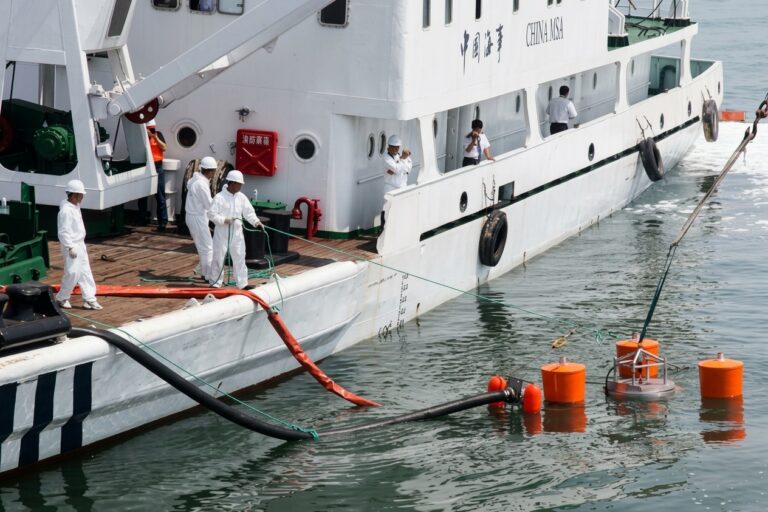
Oil pollution is one of the most visible environmental risks associated with maritime activities. It can result from accidents, equipment failure, operational discharges or improper handling of fuel and lubricants.
Even a relatively small spill can affect marine organisms, coastal habitats and the communities that depend on them.
Preventing oil pollution begins with good operational practices:
Inspect fuel lines, tanks, pumps and transfer hoses for leaks or damage.
Follow proper procedures during bunkering and fuel transfer.
Maintain oily-water management equipment and monitor for abnormal conditions.
Store waste oil and oily residues in designated containment areas.
Prepare and maintain appropriate oil spill response equipment.
Prevention is always preferable to cleaning up pollution after it occurs. When a spill happens, prompt reporting and a coordinated response are essential to limit environmental damage.
The IMO’s MARPOL Convention establishes international requirements for preventing pollution from ships, including pollution by oil
3. Managing Garbage, Sewage and Wastewater Responsibly
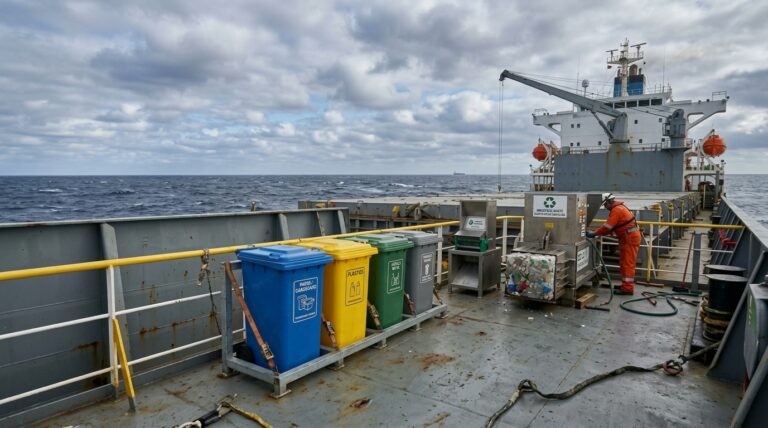
Ships generate different types of waste during their daily operations, including food waste, plastics, packaging, sewage, bilge water and maintenance residues.
When waste is improperly handled or discharged, it can introduce pollutants into the marine environment. Plastics are particularly concerning because they can persist in the ocean and harm marine animals.
Responsible waste management involves more than simply keeping the vessel clean. It requires clear procedures for collecting, separating, storing, treating and disposing of waste.
Good practices include:
Separating garbage according to the vessel’s waste management procedures.
Keeping plastics and other prohibited waste out of the sea.
Treating sewage and wastewater in accordance with applicable requirements.
Using suitable port reception facilities for waste disposal.
Maintaining accurate waste records where required.
Under MARPOL, ship garbage, sewage and other waste streams are addressed by specific requirements. In particular, MARPOL Annex V generally prohibits the discharge of garbage into the sea, subject to defined exceptions.
Proper waste management helps prevent marine litter, protects wildlife and supports cleaner ports and coastlines.
4. Protecting Marine Habitats and Biodiversity
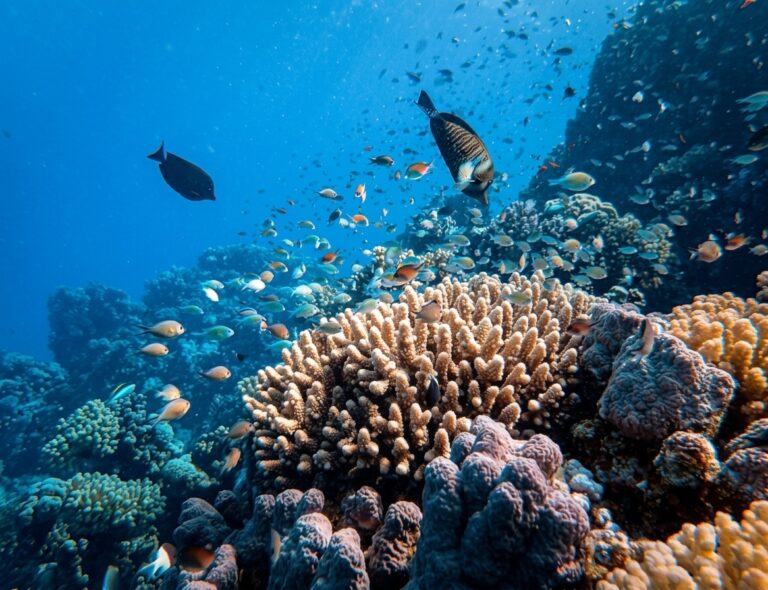
The ocean supports a wide variety of marine life, from microscopic organisms and coral reefs to sea turtles, dolphins and whales. These ecosystems help maintain the natural balance of the marine environment and support coastal livelihoods.
Maritime activities can affect these habitats through pollution, underwater noise, vessel strikes involving marine animals and the spread of invasive species through ships’ ballast water.
Protecting marine biodiversity requires responsible practices throughout the shipping industry.
Some important measures include:
Following designated shipping routes and applicable speed restrictions to reduce risks to marine wildlife.
Managing ballast water to minimise the spread of invasive aquatic organisms.
Preventing the release of plastics, oil and other harmful substances.
Conducting underwater inspections and maintenance responsibly to minimise environmental disturbance.
Following environmental requirements when working near sensitive marine habitats.
Marine biodiversity is not only about protecting individual species. It is also about maintaining the health of entire ecosystems that support fisheries, coastal communities and the wider global environment.
The IMO supports ocean protection through measures addressing invasive species, marine litter, underwater noise and the protection of marine mammals.
5. What Role Do Shipowners, Crews and Ports Play?
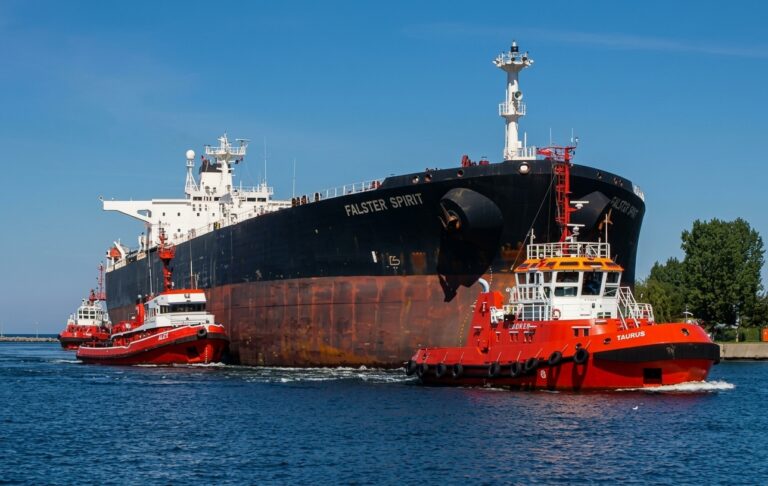
Environmental sustainability is a shared responsibility. Regulations provide an important framework, but effective environmental protection also depends on the decisions made during everyday operations.
Shipowners and technical managers can invest in efficient machinery, maintenance planning and suitable pollution prevention systems.
Ship crews can follow operating procedures, monitor equipment, manage waste correctly and report leaks or abnormal conditions.
Ports and shipyards can support responsible waste handling, efficient vessel movements and appropriate environmental controls during maintenance and repair work.
Marine service providers and suppliers can contribute by carrying out work responsibly, avoiding unnecessary waste and supporting the safe maintenance of vessel equipment.
When these groups work together, environmental protection becomes part of normal maritime practice rather than an activity considered only when a problem occurs.
Conclusion: Every Action Matters
Environmental sustainability in the marine industry is not achieved through one major innovation or a single regulation. It depends on consistent efforts to reduce emissions, prevent pollution, manage waste responsibly and protect marine ecosystems.
From improving fuel efficiency to ensuring that waste is handled correctly, everyday decisions can make a meaningful difference when applied across the maritime industry.
As global shipping continues to evolve, protecting the marine environment must remain an important part of how vessels operate and how maritime activities are planned.
A sustainable maritime future depends on how responsibly we use and protect the oceans today.
- Inside Petlog Yard, Gelang Patah, Johor.
- 24/7/365 Emergency Support.