

Understanding Marine Classification Society Requirements: Ensuring Safe Vessel Operations
Understanding Why Ships Have Different Classification Societies
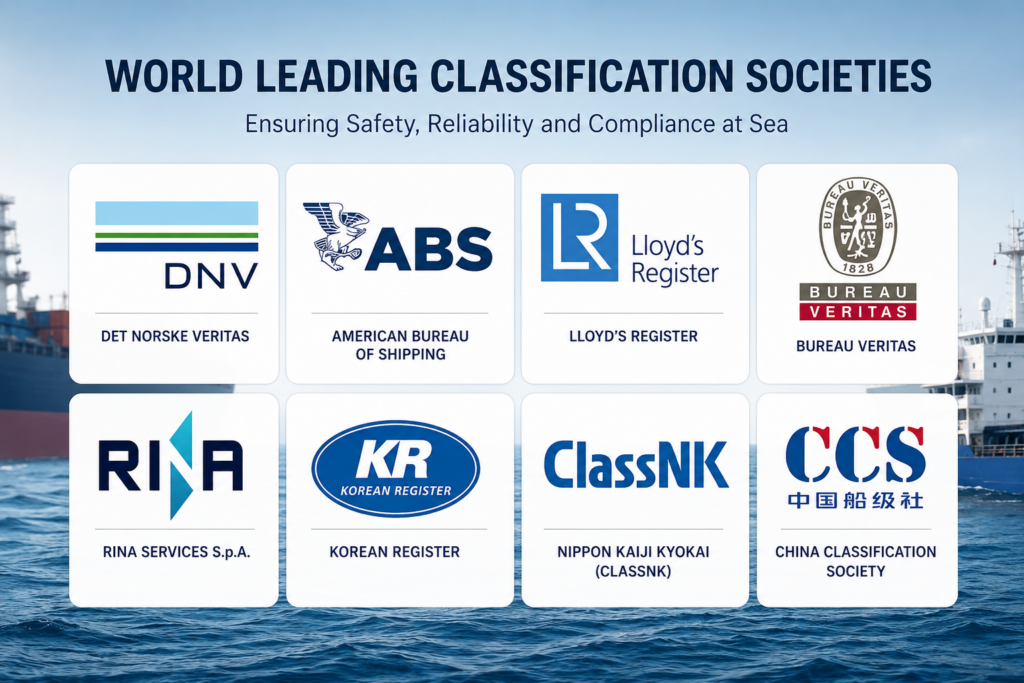
When looking at vessels around the world, you may notice that they are certified by different Classification Societies such as Det Norske Veritas (DNV), American Bureau of Shipping (ABS), Lloyd’s Register (LR), Bureau Veritas (BV), ClassNK, Korean Register (KR), or RINA.
For many people outside the maritime industry, this raises a common question:
Why are there many Classification Societies instead of only one global organization?
The answer is that every Classification Society has the same fundamental purpose — to ensure vessels are designed, constructed, maintained, and operated safely according to recognised international maritime standards.
Although each society may have its own technical rules, survey procedures, and approval processes, their main objective remains the same:
To improve vessel safety, reliability, and compliance throughout the vessel’s operational life.

1. What Is a Classification Society?
A Classification Society is an independent organisation responsible for developing technical standards and carrying out inspections to verify the safety and condition of ships.
Before a vessel enters operation, Classification Societies review important aspects such as vessel design, construction materials, machinery systems, and safety arrangements. However, their role does not end after the vessel is delivered.
Throughout a vessel’s service life, regular surveys and inspections are carried out to ensure that critical systems continue to meet required standards.
These inspections may include assessment of:
- Hull structure condition
- Main and auxiliary machinery
- Electrical and automation systems
- Safety equipment
- Fire protection systems
- Lifesaving appliances
- Maintenance practices
Classification is therefore not simply a certificate issued once. It is an ongoing process that supports safe vessel operation from construction until the end of the vessel’s service life.
2. Why Are There Different Classification Societies?

Although all Classification Societies share the same goal of improving vessel safety, each society has its own technical standards, rules, and inspection procedures.
Shipowners may choose a Classification Society based on factors such as vessel type, operating area, flag requirements, customer expectations, and insurance needs.
Some Class Societies may also have stronger experience in specific vessel types, such as offshore vessels, LNG carriers, bulk carriers, or container ships.
However, regardless of which Classification Society a vessel follows, the main objective remains the same:
To ensure vessels operate safely, reliably, and in compliance with international maritime standards.
Routine inspection and professional cleaning help restore airflow and maintain efficient engine performance.
3. Why Class Requirements Are Important for Vessel Safety
A vessel may appear to operate normally, but hidden problems can develop over time. Without proper inspection and maintenance, small defects can become serious failures that affect vessel operations and crew safety.
Classification Society requirements help identify these risks early through regular surveys and inspections.
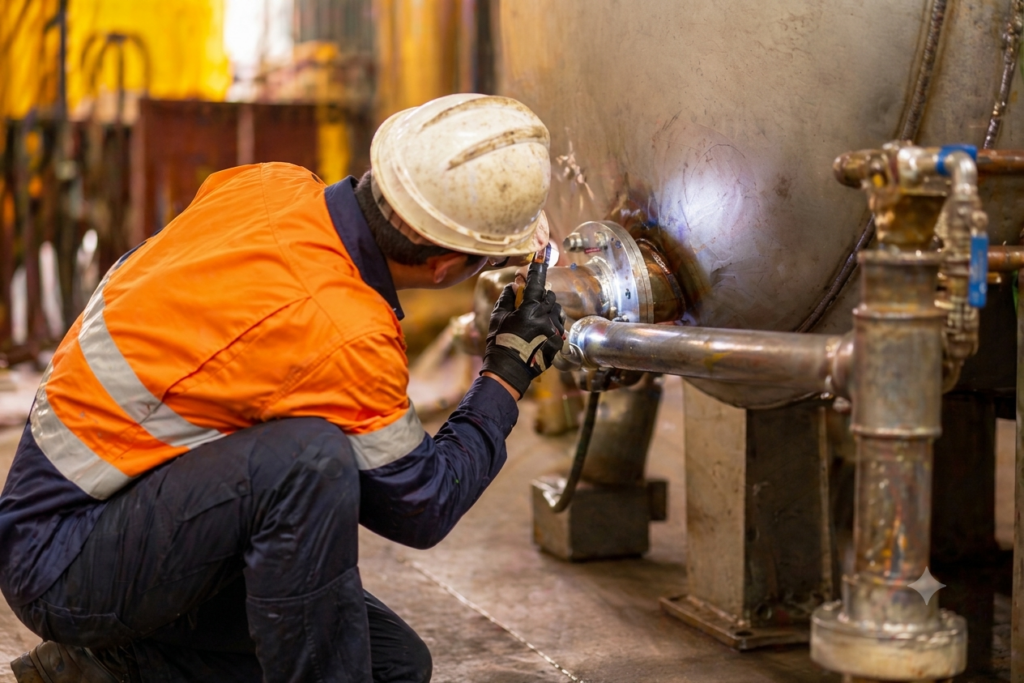
Common issues that Class inspections help to detect include:
⚠️ Worn safety equipment such as lifeboat release mechanisms that may affect emergency response.
⚠️ Faulty fire protection systems that could delay action during an emergency.
⚠️ Incorrect equipment calibration that may provide inaccurate readings to the crew.
⚠️ Hull corrosion or structural damage that can reduce vessel strength and reliability.
⚠️ Machinery deterioration that may lead to unexpected breakdowns.
By identifying problems before they become major failures, Class requirements help protect the vessel, reduce operational risks, and most importantly, safeguard the lives of everyone onboard.
3. How Class Compliance Supports Safe Vessel Operations
Maintaining Class compliance is not only about meeting regulations. It plays an important role in ensuring vessels remain safe, reliable, and ready for operation.
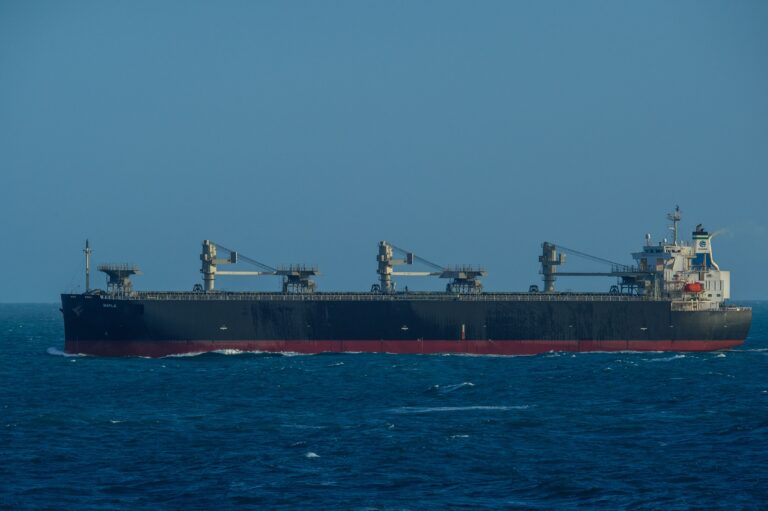
Key benefits of maintaining Class compliance include:
✅ Protecting crew safety
Regular inspections ensure safety equipment, emergency systems, and machinery are maintained and ready when required.
✅ Improving vessel reliability
Early detection of equipment issues helps prevent unexpected breakdowns, delays, and costly repairs.
✅ Supporting environmental protection
Proper maintenance and compliance help reduce the risk of pollution incidents and support international marine standards.
✅ Building operational confidence
Class certification gives confidence to shipowners, charterers, insurers, and port authorities that the vessel is properly maintained.
What Happens When a Vessel Fails to Meet Class Requirements?
Failure to maintain Class compliance can lead to serious operational and financial consequences.
Possible impacts include:
❌ Loss of Class certification
The vessel may lose its classification status or require additional corrective actions.
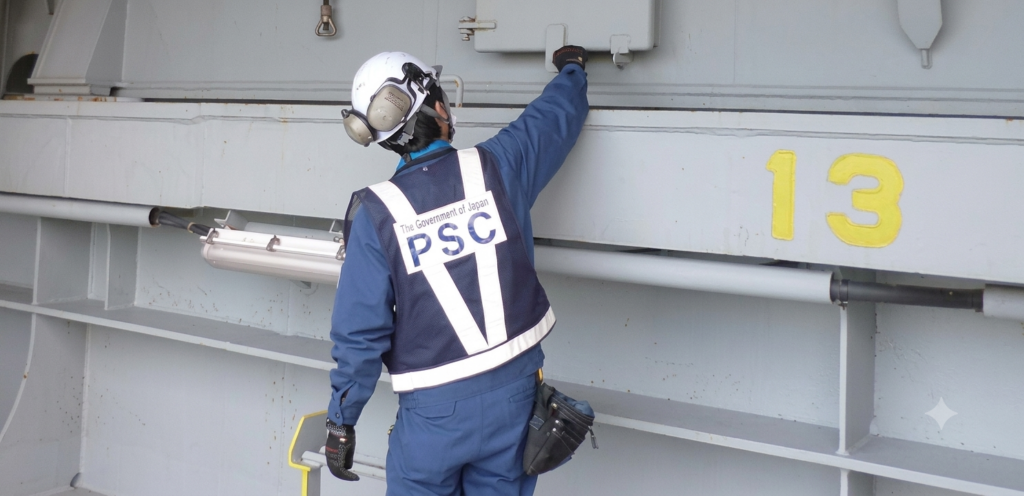
❌ Port State Control (PSC) deficiencies
Poor maintenance, safety issues, or missing documentation may result in vessel detention or operational restrictions.
❌ Higher repair costs and downtime
Unidentified problems may develop into major failures requiring expensive emergency repairs.
❌ Business and reputation impact
Non-compliance may affect insurance coverage, charter opportunities, and customer confidence.
4. Class Compliance Is More Than Passing an Inspection
Classification requirements should not be viewed as simply paperwork or an obligation to pass inspections.
They represent a commitment to maintaining safe vessel operations, protecting human lives, preventing environmental damage, and preserving the long term value of marine assets.
A vessel that consistently maintains Class standards is not only compliant, it is safer, more reliable, and better prepared to operate in demanding maritime environments.
For shipowners and operators, investing in proper inspection, maintenance, and technical support is an investment in operational confidence.
Class Requirement Support.
At Wheel & Loads Engineering we provide support for steel fabrication, structural repairs, piping works, machinery maintenance, equipment installation, and other Class related engineering services to help keep vessels safe and operational.
Need assistance with Class-compliant repairs or fabrication works?
Contact us today for a free quotation and let us support your vessel’s maintenance and compliance requirements.
- Inside Petlog Yard, Gelang Patah, Johor.
- 24/7/365 Emergency Support.