

Beyond the Diver: How ROVs Are Changing Underwater Activity
A vessel may look perfectly fine from the surface, but beneath the waterline, the condition can be very different.
Marine growth, damaged coatings, rope entanglement, debris, and other underwater conditions can affect a vessel’s operation and maintenance. This is why regular underwater inspection plays an important role in vessel maintenance and operational planning.
Traditionally, underwater inspections have relied heavily on professional divers. Today, Remotely Operated Vehicles (ROVs) provide another useful option for inspecting underwater areas without immediately putting a diver in the water.
What Is an ROV?
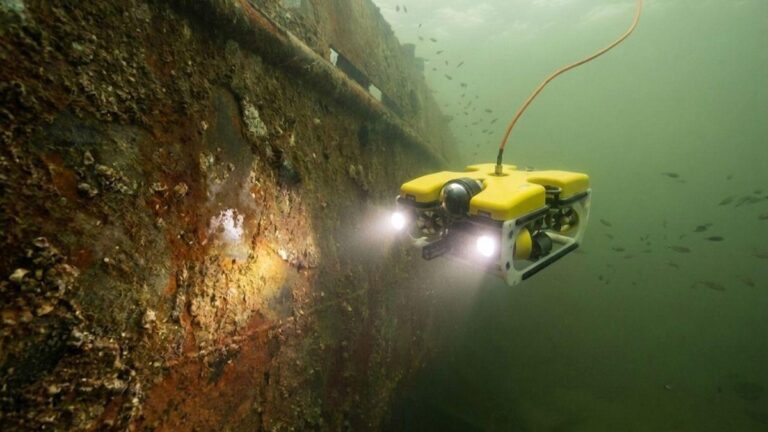
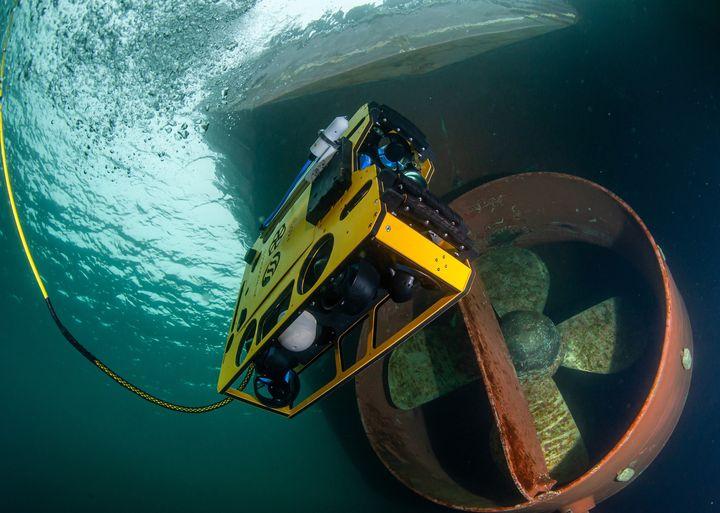
A Remotely Operated Vehicle is an unmanned underwater vehicle controlled remotely from the surface. Equipped with underwater cameras and other inspection equipment, an ROV can provide a live view of areas that are normally difficult to inspect from above the waterline.
Key Advantages of ROV Underwater Inspection
1. Longer Working Duration
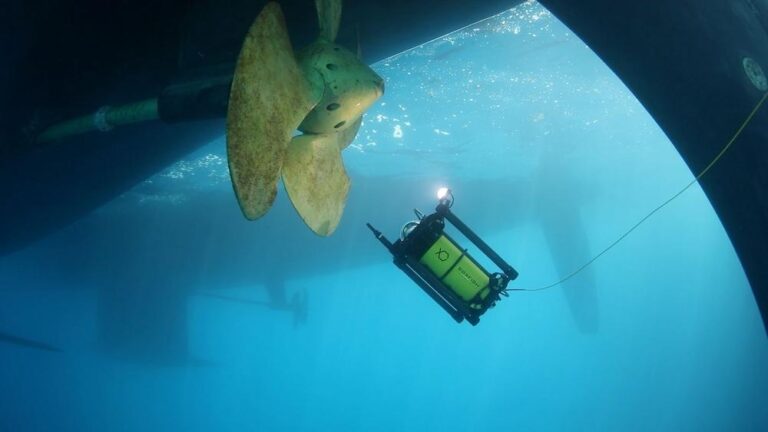
A diver’s underwater working time is affected by factors such as diving procedures, air supply, depth, safety requirements, and human endurance.
An ROV can remain underwater for extended periods, allowing the inspection team to conduct longer visual inspections without exposing a diver to the same underwater environment.
2. Real Time Visual Inspection
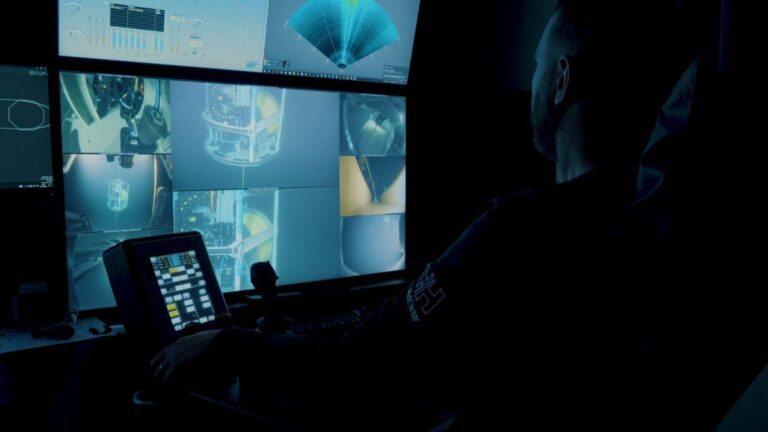
One of the main advantages of an ROV is its ability to provide live underwater video to the inspection team.
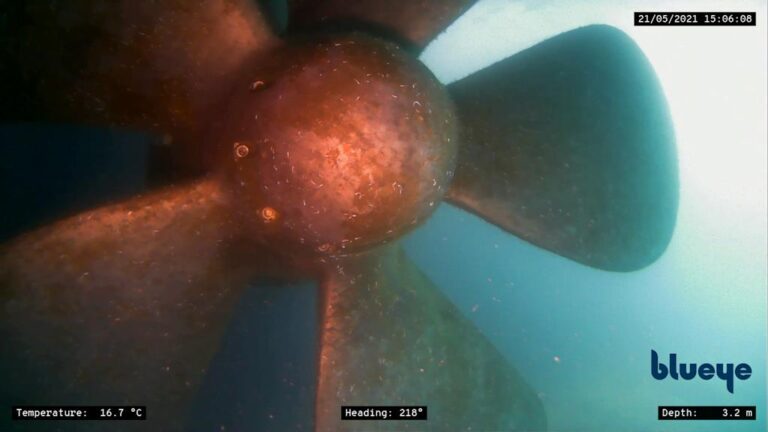
- Hull condition
- Propeller and rudder areas
- Sea chests and gratings
- Marine growth
- Possible underwater damage
- Debris and obstructions
This allows the technical team to see the actual underwater condition rather than relying only on assumptions or previous inspection records.
3. Reduced Diver Exposure
Not every underwater inspection requires a diver to enter the water.
For preliminary inspections, condition assessments, or areas where physical intervention is not required, an ROV can help gather useful information while reducing the need for diver exposure.
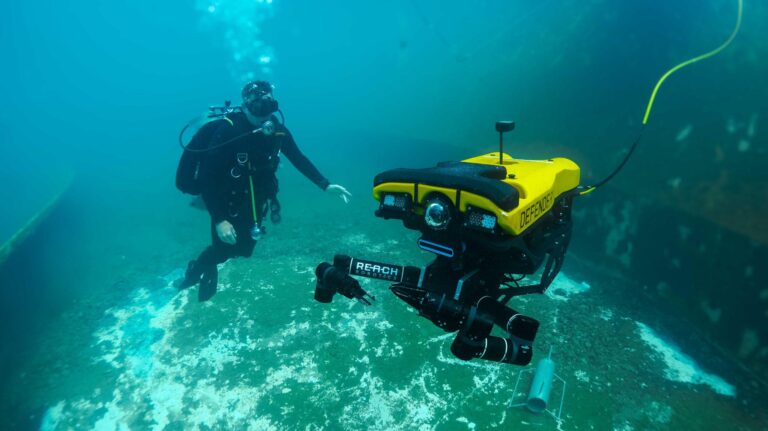
This can be particularly useful when underwater conditions are challenging or when the initial objective is simply to understand the condition of the vessel.
4. Better Inspection Documentation
ROV systems can record underwater video footage during the inspection.
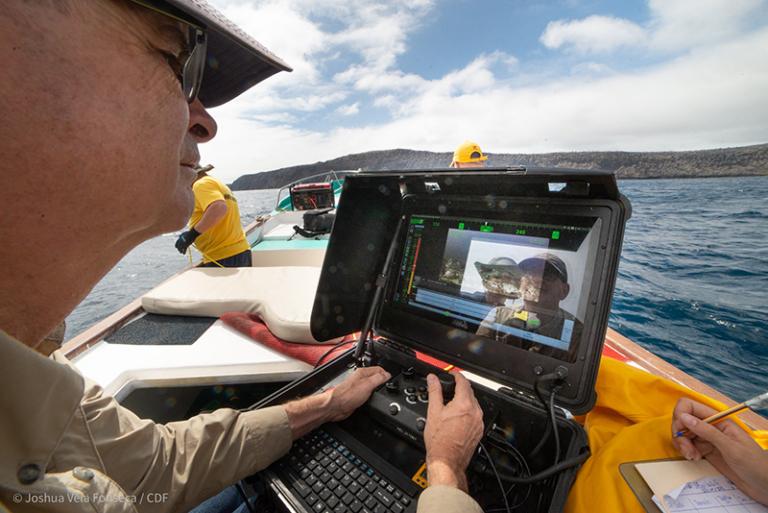
The footage can be useful for:
- Inspection reports
- Reviewing findings with the vessel’s technical team
- Comparing underwater conditions over time
- Supporting maintenance decisions
- Determining whether further underwater work is required
Having a visual record can also make it easier for vessel management and technical personnel to review the condition remotely.
5. Faster Decision Making
For vessels operating on tight schedules, obtaining information quickly can be important
An ROV inspection can give the vessel’s technical team an immediate view of underwater conditions. This allows them to better understand the situation and determine the next step, whether that means further inspection, cleaning, repair, or no additional action.
Do ROVs Replace Divers?
Not necessarily.
ROVs and professional divers have different capabilities and are often complementary rather than competing solutions.
An ROV is highly useful for visual inspection, monitoring, documentation, and preliminary assessment.
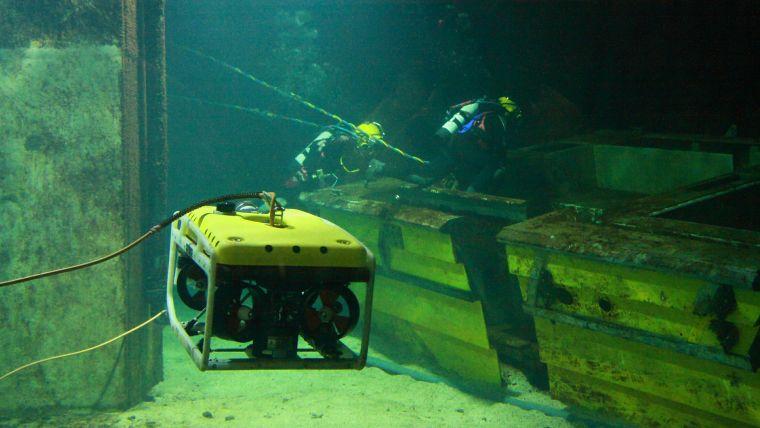
Divers remain essential when the job requires:
- Hands-on inspection
- Physical intervention
- Underwater cleaning
- Repair work
- Removal of obstructions
- Other specialised underwater operations
In some situations, the most effective approach may even be to use an ROV for the initial inspection, followed by diver intervention if physical work is required.
Choosing the Right Underwater Solution
The decision between using an ROV, divers, or a combination of both depends on several factors, including the vessel’s condition, location, water conditions, inspection requirements, safety considerations, and scope of work.
The objective should not simply be to choose between a diver and an ROV.
It is about selecting the right underwater solution for the job while maintaining safety, efficiency, and minimal disruption to vessel operations.
Supporting Underwater Operations in Malaysia
At Wheel & Loads Engineering, we support marine and vessel operations with underwater and technical services across Malaysia.
Our team can assist with underwater inspection and related marine support requirements, depending on the vessel’s operational needs and scope of work.
For underwater inspection, vessel maintenance, or other marine service requirements, feel free to contact us.
- Inside Petlog Yard, Gelang Patah, Johor.
- 24/7/365 Emergency Support.